



Techno: the genre that arguably started it all. For both the initiated and uninitiated, techno music is one of the foundational subgenres of EDM and the rave scene. With legs spread out all over the world, techno has always been a movement beyond pure music, with the message of freedom and resistance at the forefront.
Resistance is Global
The timeline of techno’s creation spans across continents, movements, and people. Many techno newcomers may associate the genre with its hardcore German identity, only to find that its genesis, rather, was in Detroit, Michigan, USA.
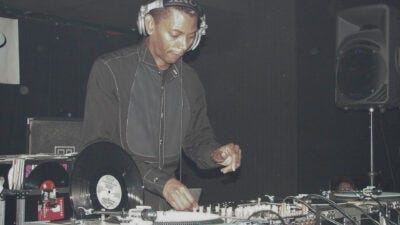
In the “Bronze Age”1 of Electronic Dance Music, cities like Detroit were experimenting heavily with cutting-edge music hardware, an artistic response to the automation crisis of the time2 and the aftermath of the civil rights movement. The new-age rhythms birthed from this technological innovation are what we now look back to as the first sounds of techno. Some notable pioneers from this time are still active DJs today, including Kevin Saunderson, Juan Atkins, and Jeff Mills.
Detroit may have created techno, but Germany fully embraced it, with Berlin later becoming the international capital of the genre. Techno emerged as a soundtrack to liberation, as West and East Germany came together in the face of a new world after the fall of the Berlin Wall. The alternative/queer youth of Germany used abandoned buildings as spaces of creativity and resistance3, and this cultural moment pushed the sound to become harder, vocal-less, faster, and stronger. Clubs like Tresor, precursor to Berghain and a pivotal location in exporting the Detroit sound, became world-famous in defining what we know as Berlin techno.
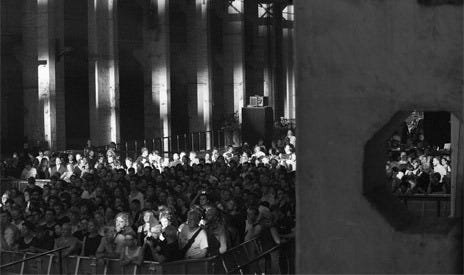
“Techno is everything you haven’t imagined yet.”
-Jeff Mills, DJ & Musician
A Definition That Transcends Sound
The global migration of techno brought forth an evolution of its sound. Mixing European Electro with African-American dance beats, Detroit techno was initially a post-industrial genre defined by experimental beats and digital sounds. Cities like Berlin evolved the genre to faster BPMs and hardcore intensity.
There is much discourse about the definition of “techno,” which holds a different meaning for every single person you ask. I particularly enjoy Mckenzie Wark’s articulation of techno’s intersection with queer theory: techno is a “sonic technology made for aliens,” allowing for no gendered body to be more welcome than the other in the act of dancing.
From minimal and melodic to dark and hardcore, techno is capable of bridging the entire spectrum of emotion in music. This is, of course, all by design. For many, techno transcends genre altogether and exists more as an arena for expression and freedom, from sunset to sunrise.
BRATz Techno Angels: A Fashion Analysis
For many new fans, the techno scene is most known for one thing: its unspoken uniform. All black from head to toe is usually the go-to for anybody entering the warehouse. Born from the punk sentiments of post-reunification Germany, black was not only the color of convenience and utility, but also an overt political statement. Why choose fashion over function, when function could be fashionable itself?
That’s not to say that you’ll be kicked out if you ignore this unspoken dress code — unless you’re trying to get into Berghain4, of course (haha). Ultimately, though, the all-black fashion reveals that the clothes you wear can provide the purest self-expression while also being a bit more utilitarian in the process. Black can feel boring for many, especially compared to the more modern, colorful fashion of mainstream EDM. But for many techno enthusiasts, their unofficial uniform reflects the genre’s main ethos, melding together in community with plenty of room to individualize through accessories.
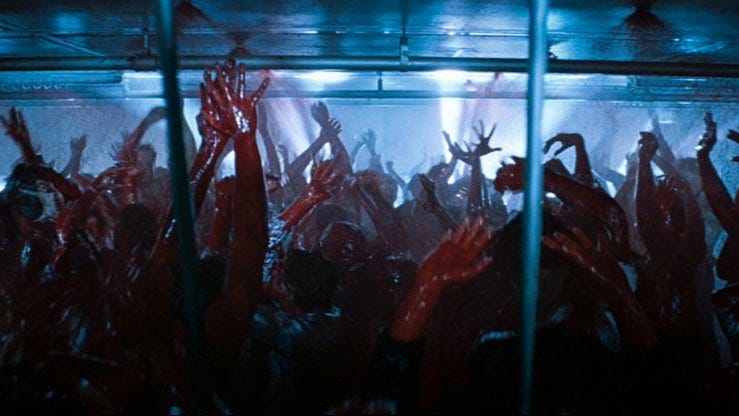
90s and 2000s pop culture has also had an incredible aesthetic impact on the genre, influencing the generation of ravers to come. Films like Blade, The Matrix, and Ghost in the Shell made techno the definitive musical voice in science fiction and, for many Zillennials like myself, became their first exposure to the genre as a whole. Flash forward to the 2020’s and another pop cultural icon is pushing techno back to the mainstream: Charli xcx in her iconic Brat era.
NYC Winters
Winter is an interesting season in New York. The local ravers truly get to shine once the weather starts to become “brick.”5 Don’t just take my word for it: plenty of techno artists from abroad make their way to the city, ready to bring that much-needed heat, especially in the winter months.
A notable venue for techno shows, Brooklyn Storehouse (formerly Brooklyn Navy Yard) has undergone a major transformation over the last few years, with international festivals like TIMEWARP hosting a range of artists like KlangKuenstler, Trym, and Nico Moreno. The revival of Paragon (read more about my experience here) last year has also made waves, with aforementioned techno pioneer Kevin Saunderson leading the way on saving this unique club. And we can’t forget about the iconic Basement, the club underneath Knockdown Center that serves as the quintessential all-night afters location.
It’s important to note how the festivals hosted here in collaboration with local collectives help grow the scene as time goes on. A great example of this is RUSH, a techno collective exclusively showcased at Knockdown Center in Queens, hosting techno greats and up-and-comers like French icon I Hate Models to sold-out crowds (read more about my experience here).
With techno’s resurgence in recent years6 (read more here ^6), New York has become one of the genre’s hotspots, with acts like Sara Landry honing her skills in this iconic city. Women in this scene are having an incredible rise, with acts like Indira Paganotto, Charlotte de Witte, and HorseGiirL gaining international recognition. And even with these now household techno names, NYC welcomes and amplifies up-and-coming local acts (think KIMKILLA, Indigo Heaven, and RYTYM). No doubt, New York City is a premiere playground for techno artists, both from the states and abroad.
*My video from Teksupport 2023 @ BK Storehouse, seeing Charlotte de Witte
Techno, Now and Beyond
Regardless of its current connotations, techno has always been rooted in political resistance. From Detroit & the US civil rights movement to Berlin & post-war Germany, it’s interesting to see how techno’s evolution across oceans demonstrate historical parallels. Techno, to me, has always felt like a political response to the “legitimized” happenings of the world, leading me to ponder:
Is the sudden popularity of techno a sign of the times? A necessary catharsis for oppression and resistance? If the music is a testament to the message, it is one that craves the freedom of the dancefloor, experimentation and, importantly, possibility of the future. I’m curious to see how future generations of ravers will define techno and potentially continue this narrative of counter-cultural ideologies. Has social media turned techno into a mere aesthetic, or do younger ravers truly care about the philosophy and legacy of this historic genre?
We’ll find out, soon enough.
Check out staff writer Natalie’s curated techno playlist here:
Thank you for reading Hot Cue Magazine. For more genre downloads, NYC nightlife reviews, and DJ interviews, please consider subscribing here:
References & Recommended Media
Books:
Videos:
I am personally defining the 1960s-1980s as the Bronze Age of EDM, strictly due to the technological revolution of the time.
“The robots took over.” Sentiment echoed by Juan Atkins in this documentary, in reference to the city’s car manufacturing history & automation later contributing to the city’s economic decline.
The techno holy grail for rave veterans and newcomers alike, Berghain is located in Berlin and most famous for its all-night affairs. Try your hand at getting through the Berghain door here (works on Chrome only).
A New York City slang term for Really Cold.

sonic technology made for aliens!! to communicate with earth :3